
Hydrogen Summit 2025
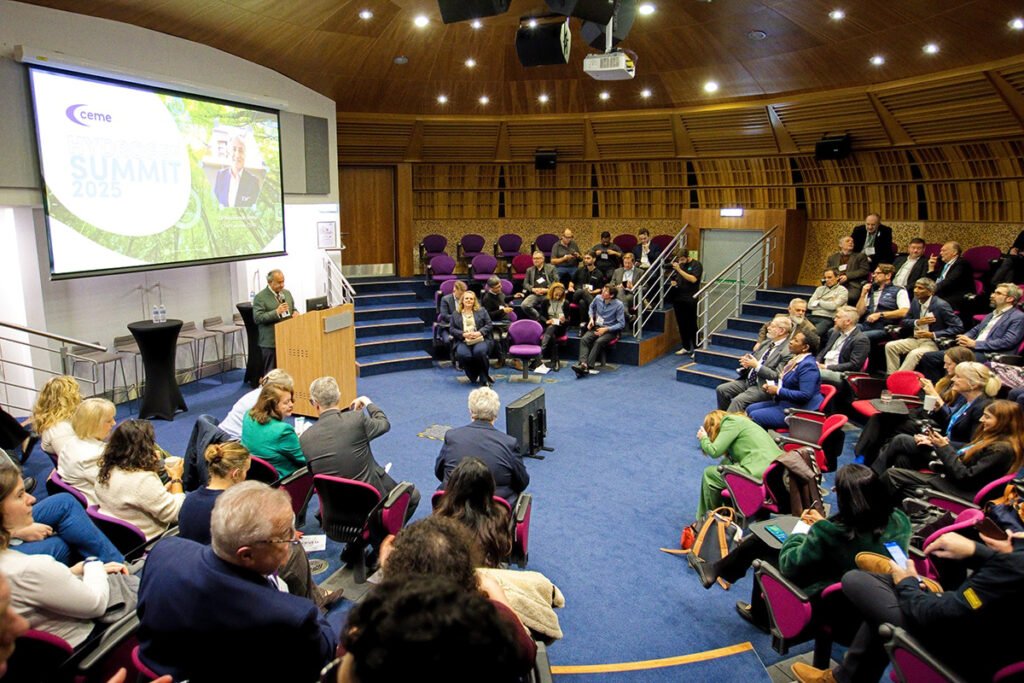
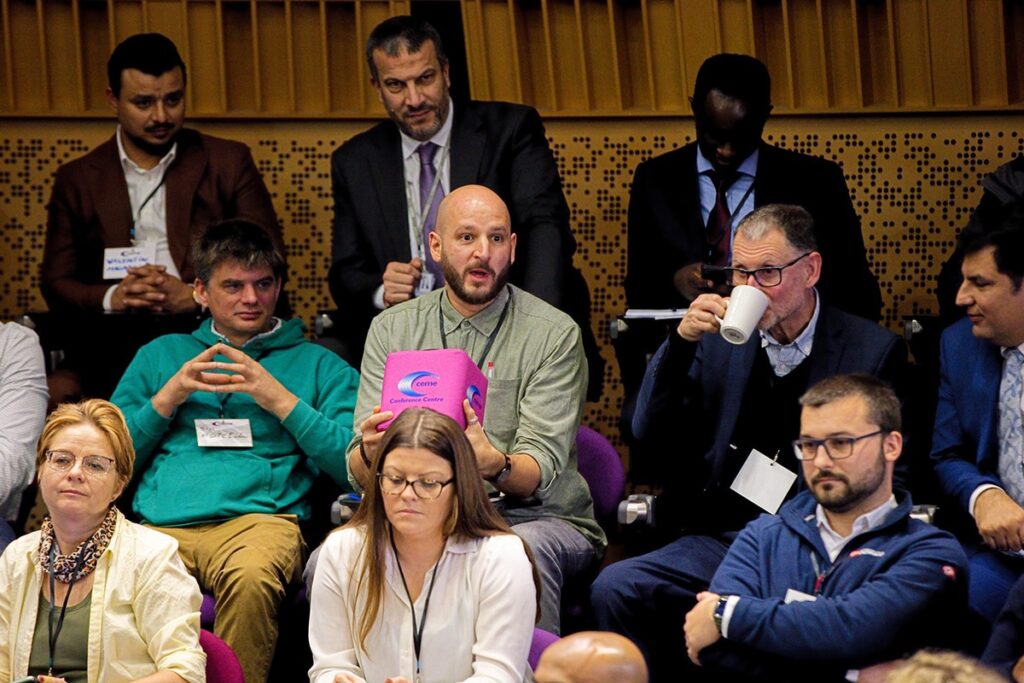
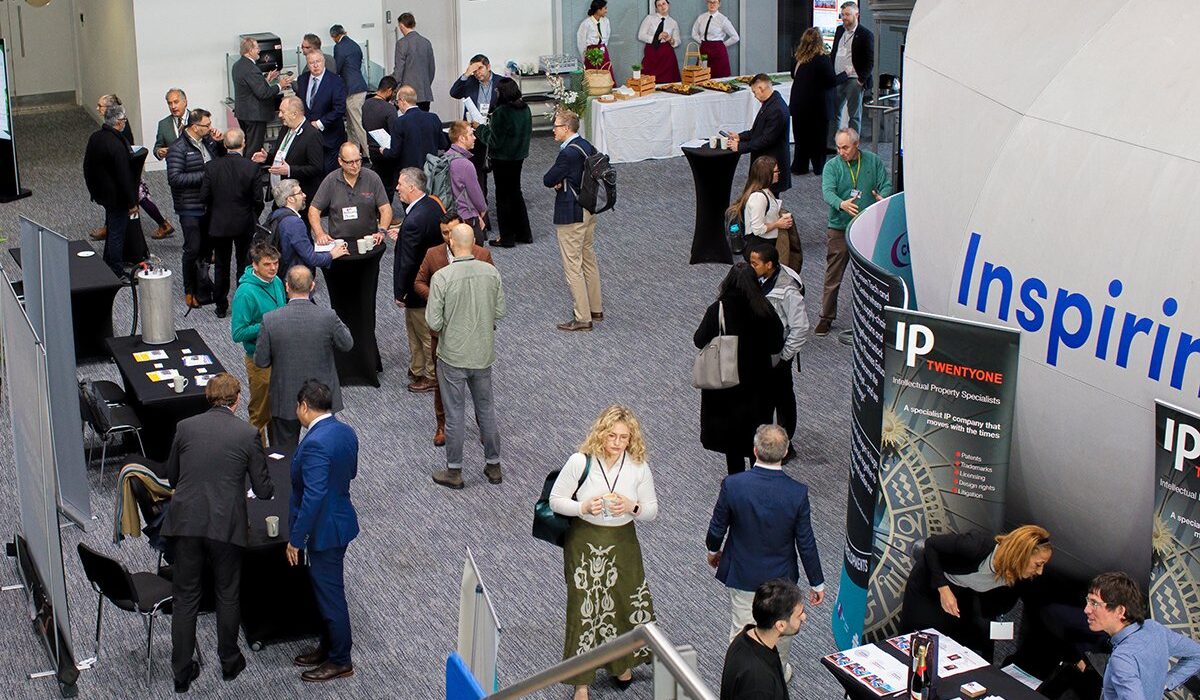
CEME’s landmark Hydrogen Summit 2025 brought together industry leaders, innovators, academics and policymakers from across the UK to explore how regional initiatives are shaping the future of hydrogen.
With the theme ‘Learning from regional developments’, the summit took place on 27 November at CEME and aimed to foster collaboration, share regional success stories and identify practical steps for scaling hydrogen adoption.

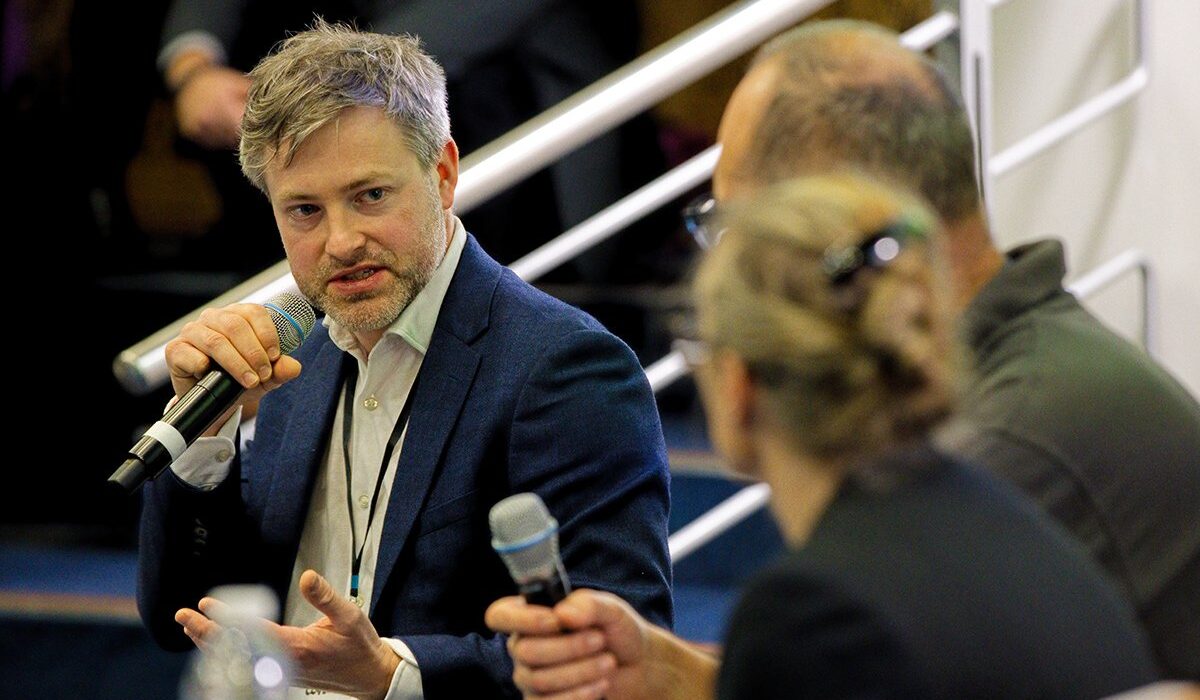
Summit summary
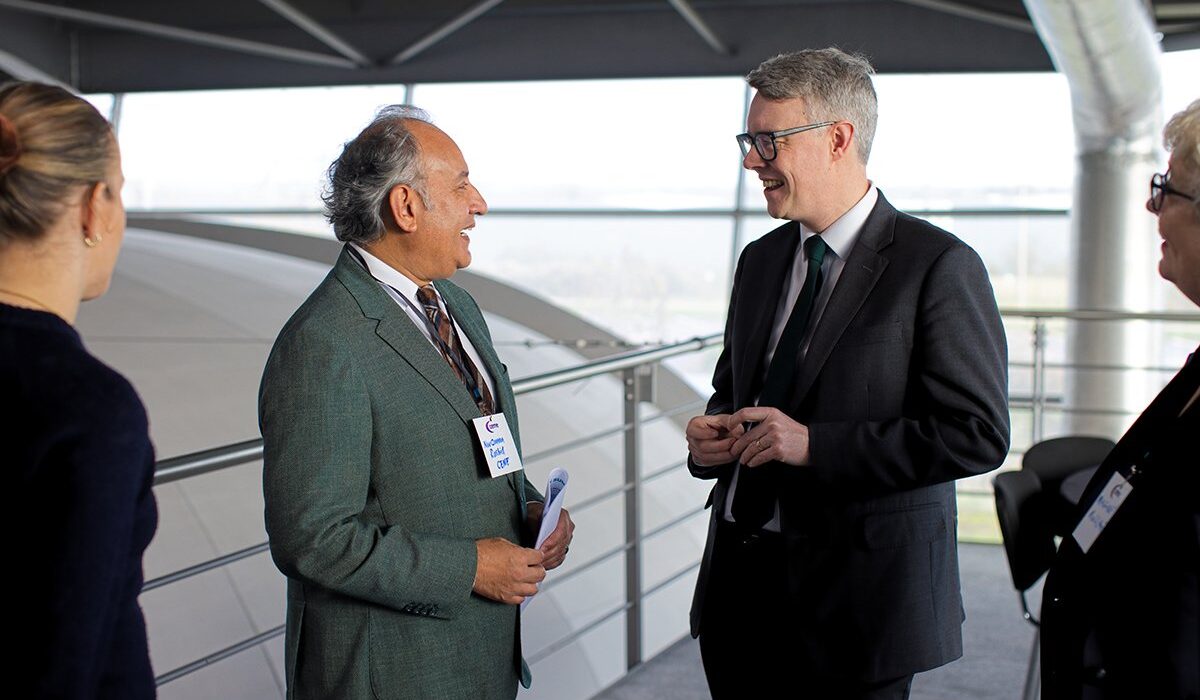
The summit opened with remarks from CEME CEO Noorzaman Rashid and Margaret Mullane, MP for Dagenham and Rainham, who emphasised the importance of regional collaboration and innovation in achieving the UK’s hydrogen ambitions. They highlighted hydrogen’s potential to drive economic growth, create jobs, and support the UK’s net-zero targets.
Kate Willard OBE, Chair of the Thames Estuary Growth Board, underscored the importance of regional leadership in driving hydrogen adoption. She highlighted how local clusters can act as catalysts for innovation and investment, ensuring that hydrogen strategies are tailored to regional strengths and opportunities.
Martin McCluskey MP, Parliamentary Under-Secretary of State in the Department for Energy Security and Net Zero, delivered the keynote address, reinforcing the government’s commitment to hydrogen as a cornerstone of the UK’s net-zero strategy. He stressed the need for policy stability, infrastructure investment and strong industry partnerships to accelerate adoption.
The summit concluded with a call to action: sustained collaboration, investment and skills development are essential to realising the UK’s hydrogen ambitions. Attendees left with renewed commitment to driving innovation and building a resilient hydrogen economy.
Find out more in the Learning from regional developments digital publication.
Panel sessions
National policy and regional collaboration
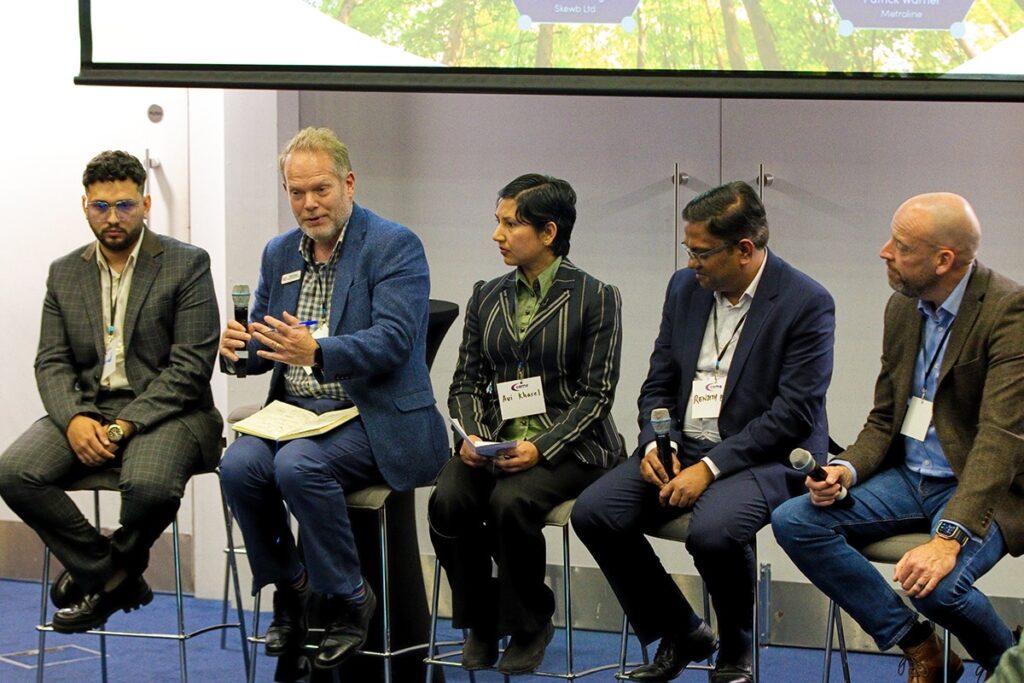
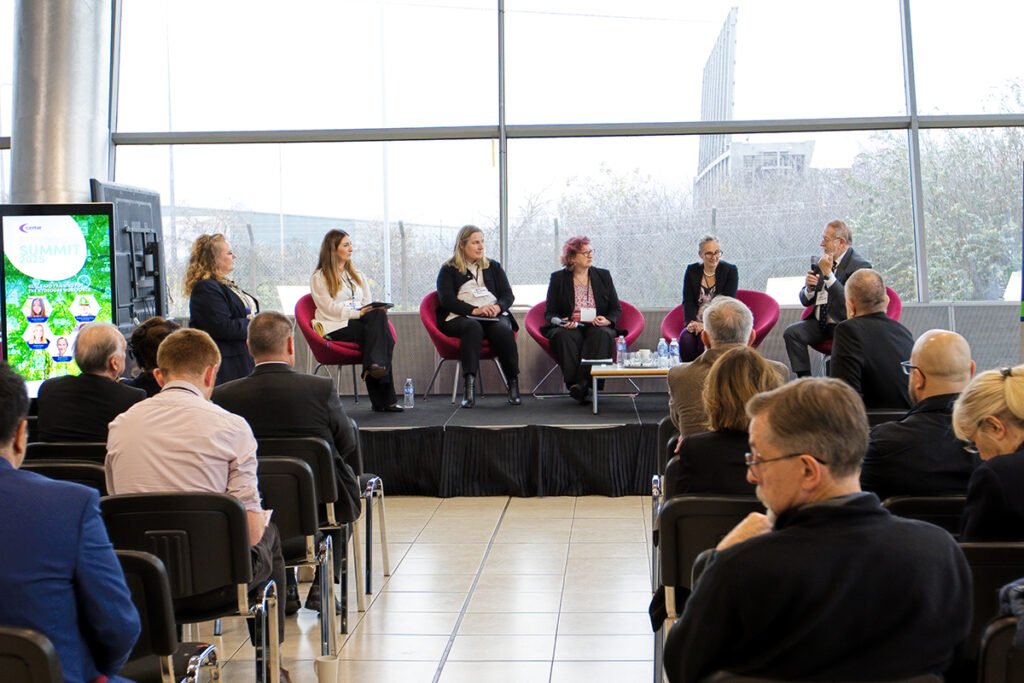
This session explored how national policy and regional collaboration can unlock hydrogen supply chain growth. Speakers emphasised the need to align national frameworks with regional strategies, strengthen offtake agreements and learn from international success stories, with examples such as Germany’s Hydrogen Valleys demonstrating the value of unified standards and trade alignment. The discussion stressed that achieving the UK’s 10 GW hydrogen target by 2030 requires coordinated action between government and regional clusters.
Industry and research: collaboration
for hydrogen innovation
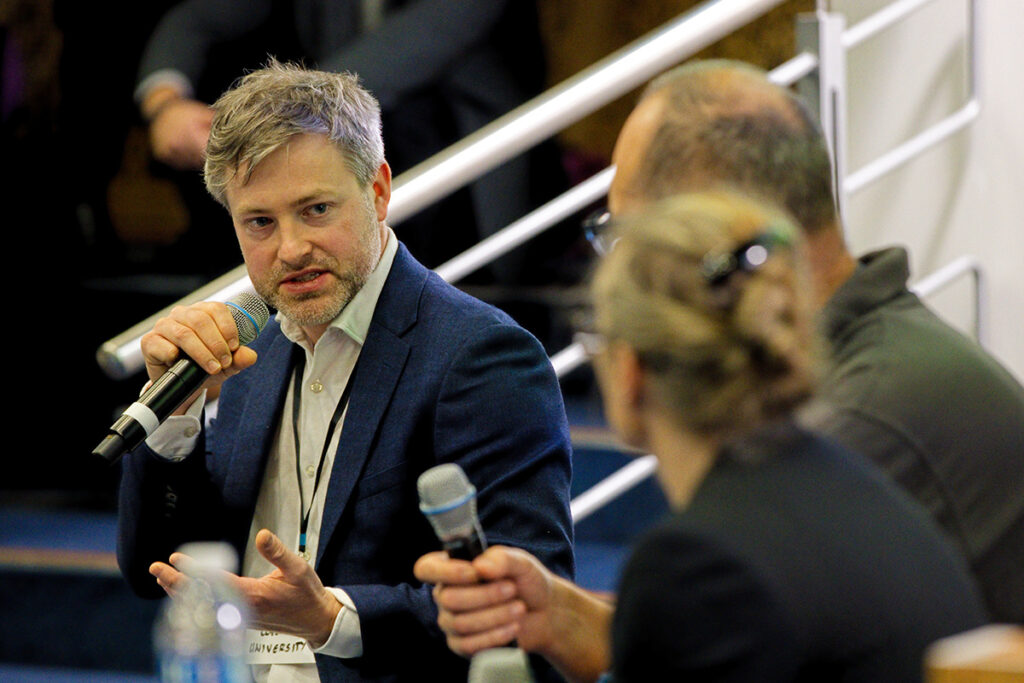
Discussions highlighted barriers such as siloed funding and limited mechanisms for sharing innovation across organisations, while emphasising enablers like shared testbeds, flexible funding and mobility between academia and industry.There was clear consensus that current funding is often too limited or narrowly constrained. Many organisations receive support for early stage ideas but struggle to secure follow-on funding to execute or scale them. Time-limited funding windows further restrict progress, meaning promising projects frequently stall before they can fully develop.
Hydrogen investment and market growth
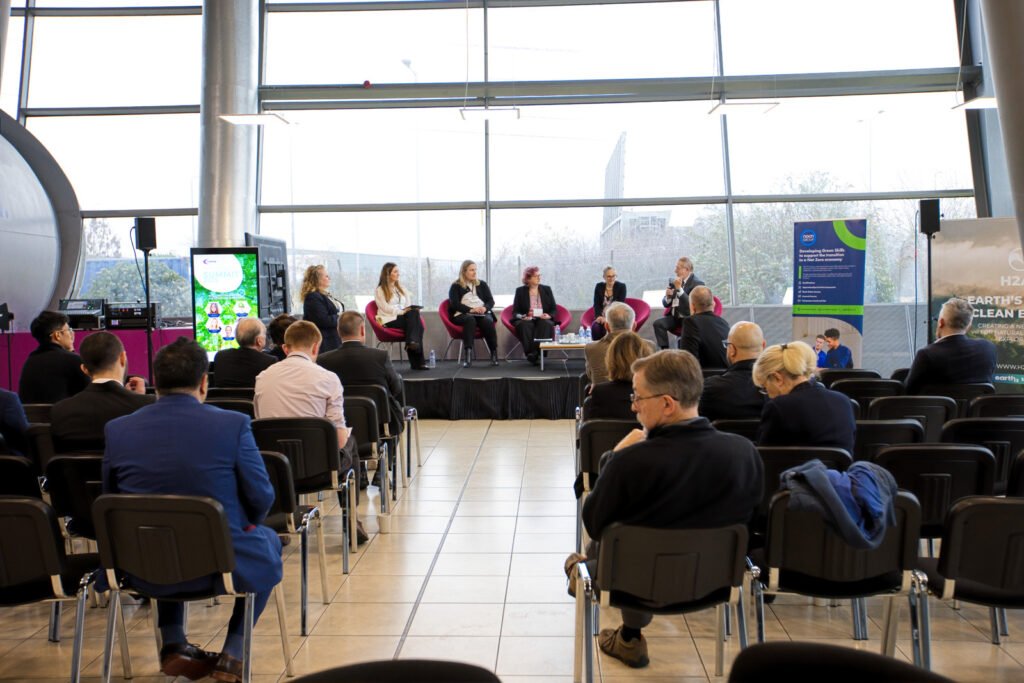
Panellists addressed challenges such as policy uncertainty and lack of demand signals, proposing government incentives, blended finance and long-term offtake agreements as solutions. Investor confidence, they agreed, depends on predictable revenue streams and stable policy frameworks. Emerging models such as distributed production and integrated supply chains were highlighted as sustainable pathways for scaling hydrogen projects.
Skills and training for the hydrogen workforce
Speakers advocated for industry-led curricula, regional training hubs, and outreach to underserved communities. Apprenticeships and hands-on learning were highlighted as best practices for workforce readiness. The discussion reinforced that without a strong skills pipeline, hydrogen deployment will stall, making collaboration between education providers and industry essential.
Supporting end users of hydrogen
Panellists discussed what is required to accelerate the transition to low-carbon hydrogen, emphasising the need for supportive policies, clear incentives and a reliable, affordable supply. They highlighted that cost clarity, both for production and end-use, is essential for giving industry the confidence to invest and scale.
Participating exhibitors
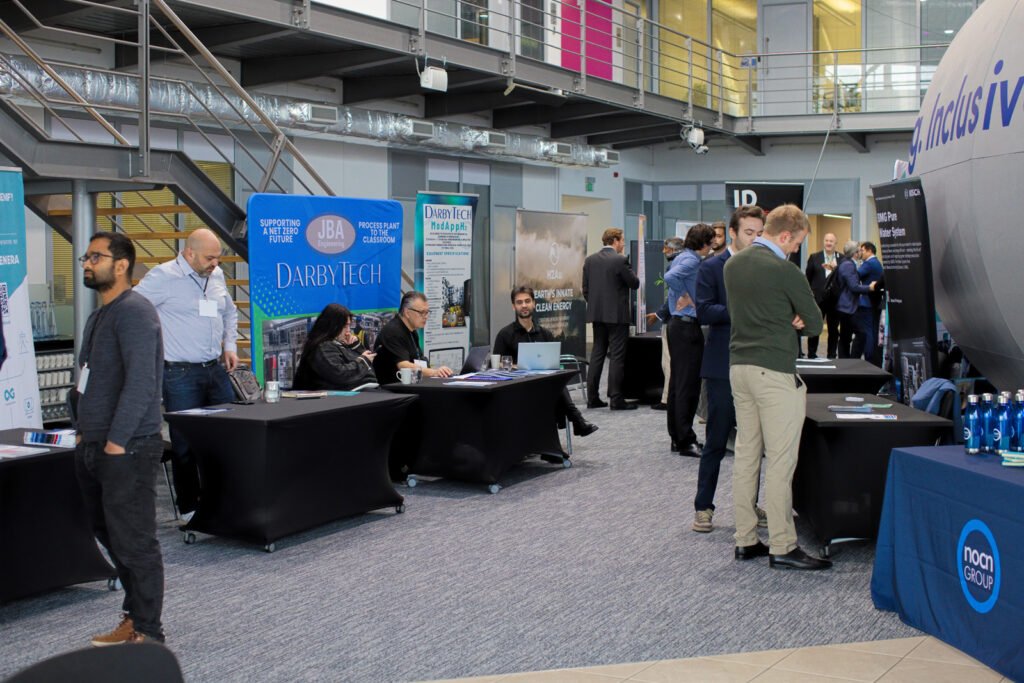
NOCN Group
NOCN Group is a UK-based organisation specialising in vocational qualifications and workforce development. They support the growth of skills in emerging industries. NOCN has recently launched a dedicated hydrogen qualification portfolio, including a Level 3 Certificate in Hydrogen to equip learners with foundational knowledge in hydrogen production, storage, distribution, fuel-cells, safety and energy conversion.
Bosch
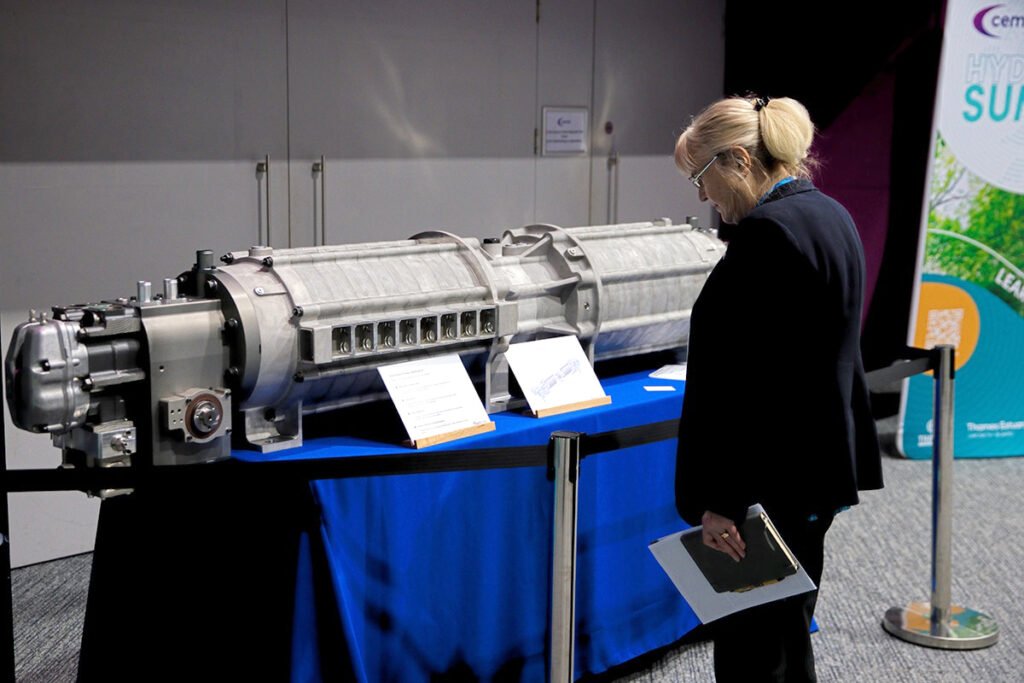
Bosch is advancing hydrogen technology across the energy value chain. Their hydrogen work includes developing industrial-scale hydrogen solutions, notably their Hybrion PEM electrolysis stacks, which enable production of green hydrogen via water electrolysis. These technologies are aimed at enabling hydrogen to serve as a low-emission fuel across multiple sectors (chemicals, transport, energy, industrial).
HotCell
HotCell develops hardware and systems for hydrogen production and hybrid fuel/ engine systems. They focus on enabling hydrogen adoption in industries such as maritime, automotive, construction and other sectors transitioning to hydrogen or low-carbon fuels.
Brunel University of London
Brunel University’s Brunel Hydrogen initiative brings together engineering research, social science/policy expertise and applied work on hydrogen systems. Spanning storage, distribution, control systems, and system integration/test-bed work.
RHizome2
Rhizome Energy (RHizome2) is a hydrogen system integration company, offering electrolysis, compression and storage packaged systems for green hydrogen, especially aimed at heavy-goods vehicles and refuelling infrastructure for transportation.
DarbyTech
Provides custom-designed industrial training equipment, demonstrators and pilot-plant rigs. Their offerings include hydrogen-process demonstrators and clean-energy training rigs that cover the lifecycle from hydrogen generation to fuel-cell use, enabling hands-on education, research and skills development for engineers and technicians in the energy / hydrogen sector.
Fuel Cell Systems
A UK-based supplier of hydrogen refuelling infrastructure and fuel-cell solutions, they provide hydrogen refuelling stations (static, mobile, modular) for a wide range of vehicles and transport modes, fuel-cell power systems for off-grid and remote-power applications, and bespoke design consultancy to tailor hydrogen and fuel-cell solutions to client needs.
H2CHP
H2CHP is developing a fuel-agnostic, software-controlled generator that can run on hydrogen (or other clean fuels), designed for decentralised, compact and efficient electricity generation.
H2Au
Focused on exploring and developing natural (geologic) hydrogen resources, they apply geoscience-led methods to identify sites with hydrogen reserves and aim to supply low-carbon hydrogen for energy, industry and transport applications.
Ataman Consulting
Ataman Consulting provides management consulting, business-process improvement, digital and strategic transformation services, as well as professional coaching to help organisations and individuals enhance performance and adapt to change.
Ip2
This Intellectual property firm offers comprehensive IP legal services and commercial consultancy, including patents, trademarks, design rights, IP valuation, licensing and commercialisation advice. They support clients (including in engineering, energy and technology sectors) in protecting, managing and leveraging their IP.
Image gallery